10 Minimalist Design Trends That Will Transform Your Space
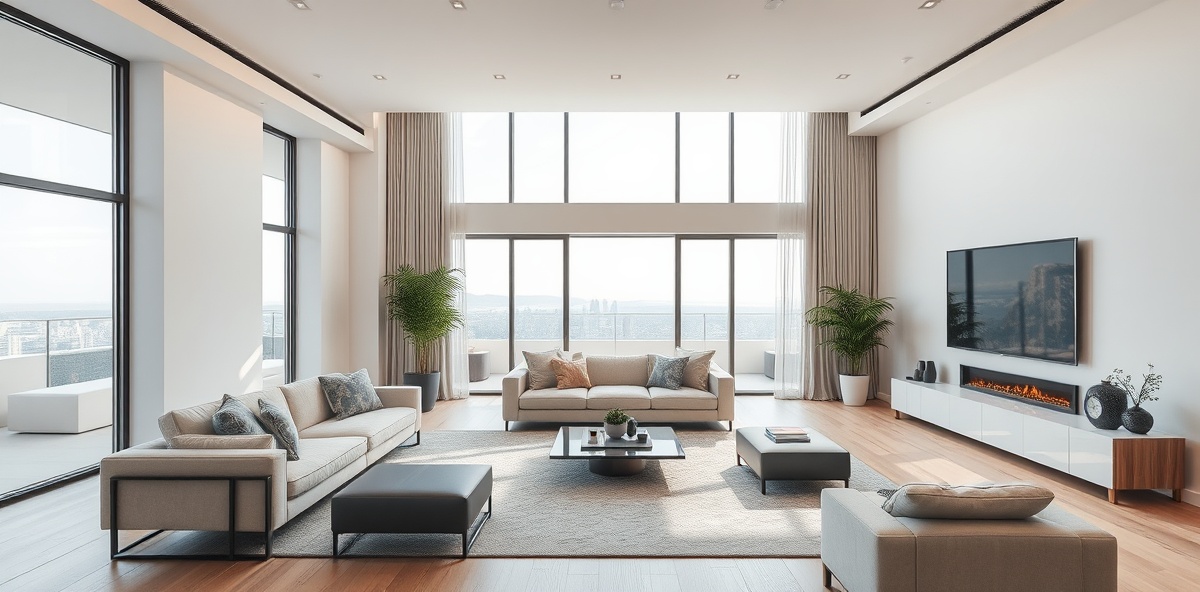
Minimalist design has evolved far beyond stark white rooms and the absence of decoration. Today's minimalism embraces thoughtful curation, intentional spaces, and a focus on quality over quantity. In this article, we explore ten contemporary minimalist design trends that can transform your living space into a serene, functional, and aesthetically pleasing environment.
1. Warm Minimalism
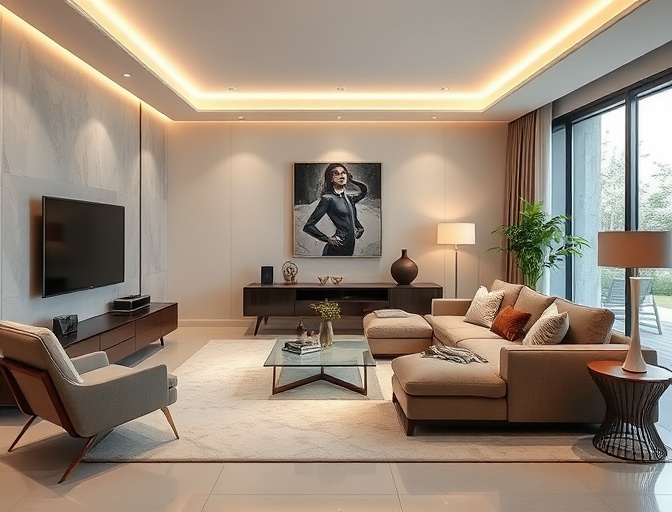
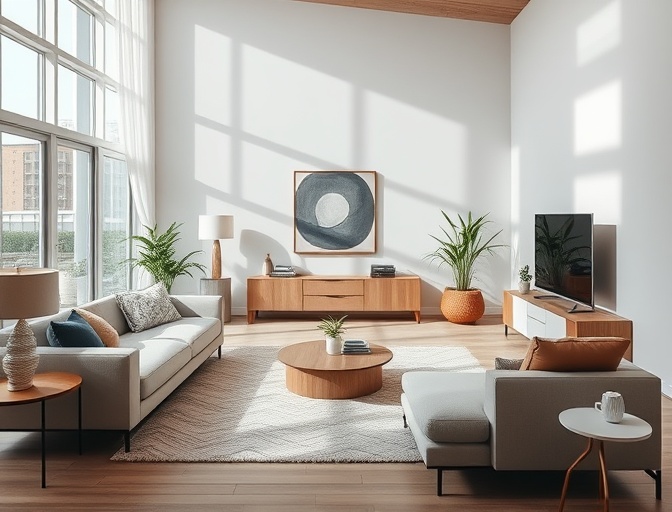
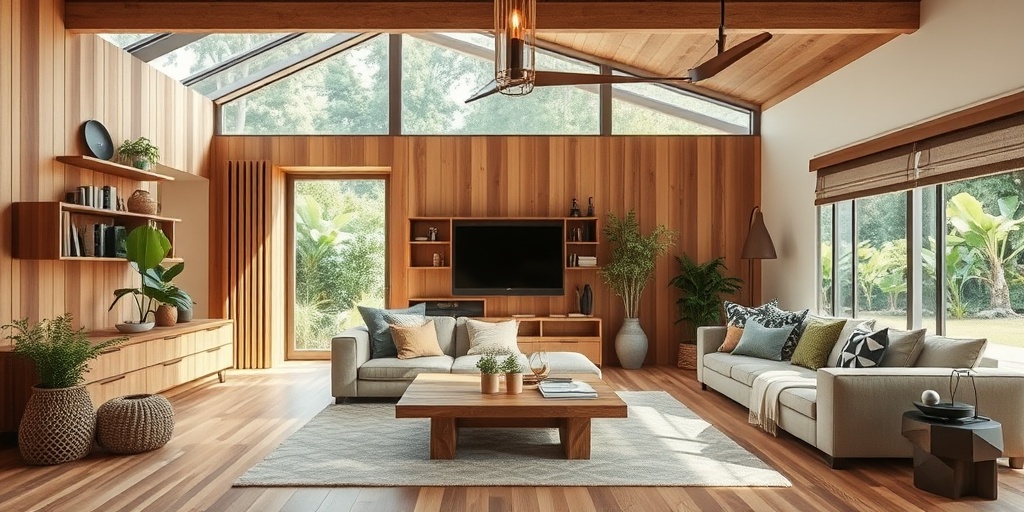
The cold, clinical minimalism of the past has given way to warmer interpretations. Designers are now incorporating natural materials like wood, stone, and linen alongside a neutral color palette to create spaces that feel inviting rather than austere. Consider adding texture through natural fiber rugs, wooden accent furniture, or linen upholstery to bring warmth to a minimalist foundation.
2. Multifunctional Furniture
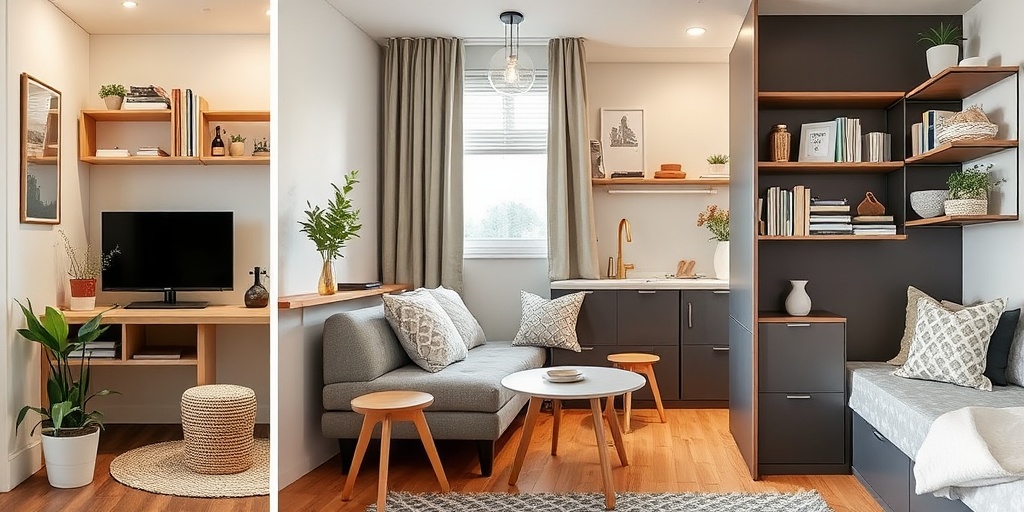
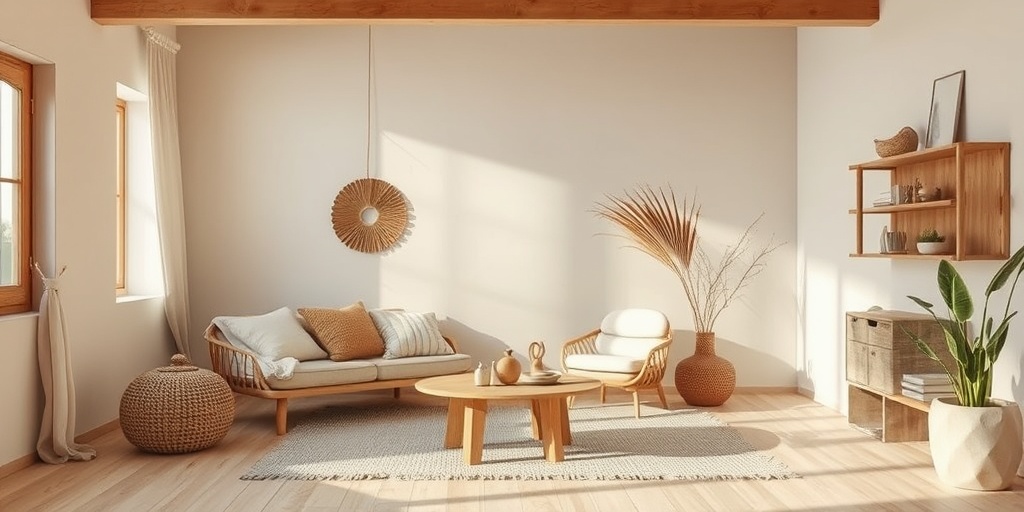
As living spaces become smaller and more efficient, furniture that serves multiple purposes has become essential to minimalist design. Look for pieces like storage ottomans, extendable dining tables, sofa beds with built-in storage, or nesting tables that can be configured in different ways. These versatile items reduce clutter and maximize functionality without sacrificing style.
3. Biophilic Elements
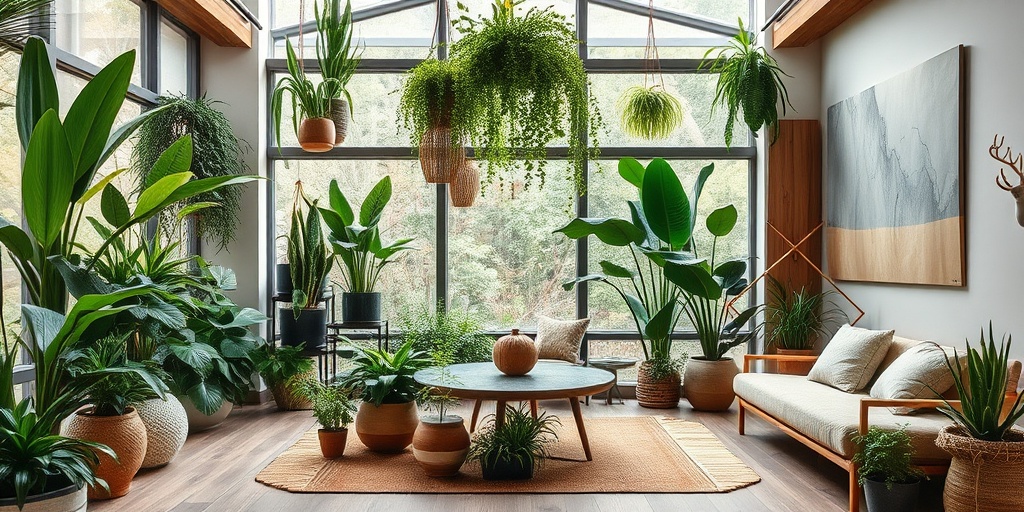
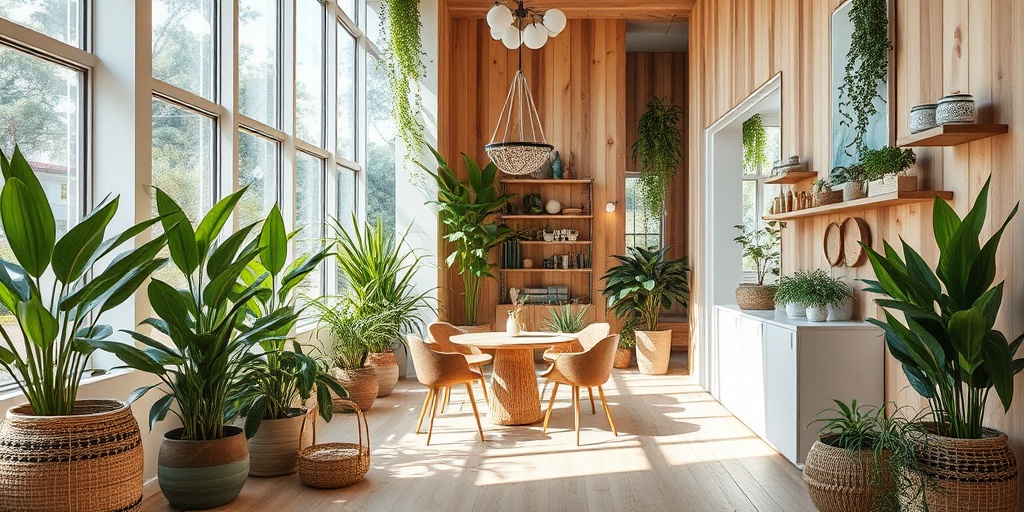
Incorporating nature into minimalist spaces creates balance and enhances wellbeing. From statement indoor plants to living walls, natural light optimization, and organic materials, biophilic design elements add life and vitality to minimalist interiors. Even in the most streamlined spaces, the addition of carefully selected plants can create visual interest and improve air quality.
4. Thoughtful Color Accents
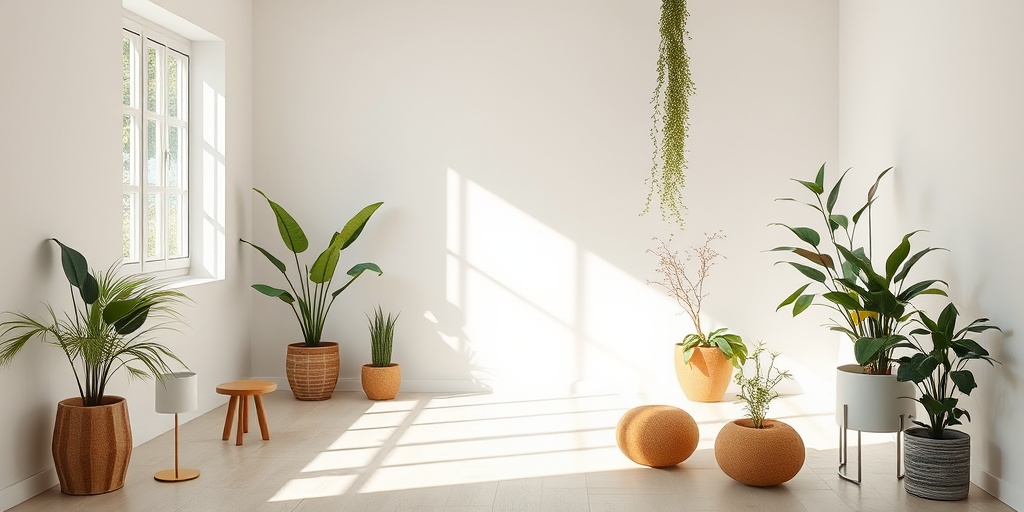
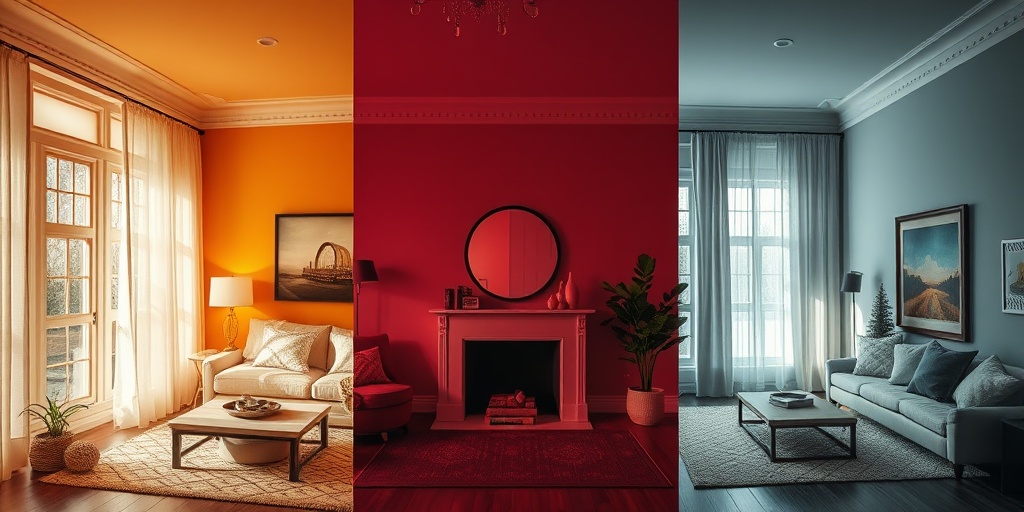
While traditional minimalism relied heavily on white, contemporary minimalist design embraces thoughtful color integration. Consider adding a single bold accent piece, like a vibrant armchair or artwork, against an otherwise neutral backdrop. Alternatively, incorporate subtle color through textiles or small decorative objects that can be easily changed with the seasons or as your preferences evolve.
5. Artisanal and Handcrafted Items
The minimalist philosophy of "less but better" naturally aligns with the appreciation for handcrafted, artisanal pieces. Investing in fewer, higher-quality items made by skilled craftspeople not only supports sustainable consumption but also adds character and uniqueness to minimalist interiors. Look for ceramics, textiles, or furniture pieces that showcase exceptional craftsmanship and will stand the test of time.
6. Integrated Technology
Modern minimalism embraces technology that enhances functionality while remaining visually unobtrusive. From hidden charging stations to smart home systems that eliminate the need for multiple controllers, technology that seamlessly integrates into the design helps maintain clean lines and clutter-free surfaces. Consider furniture with built-in tech features or clever ways to conceal necessary devices and their cords.
7. Sculptural Lighting
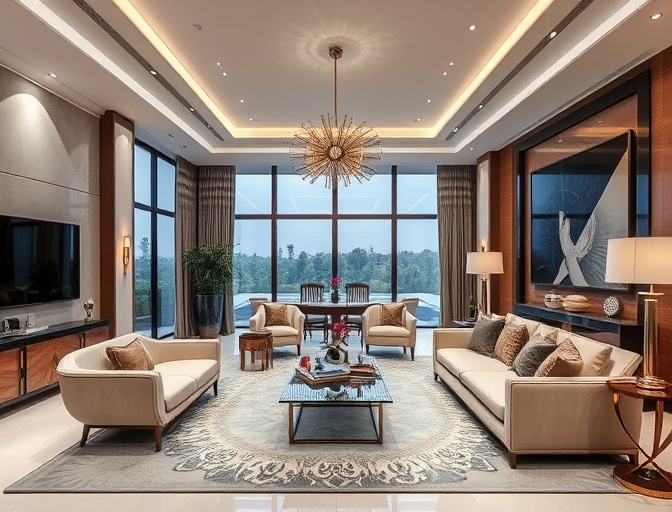
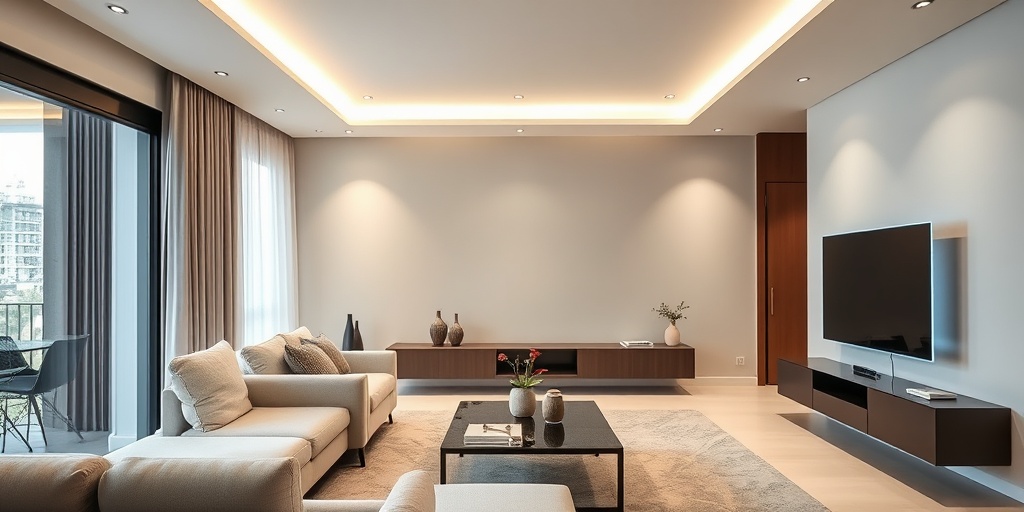
In minimalist spaces where decorative elements are kept to a minimum, lighting fixtures can serve as functional art pieces. Sculptural pendant lights, architectural floor lamps, or statement sconces can become focal points that add visual interest without creating clutter. Choose lighting with clean lines and interesting forms that complement the overall aesthetic of your space.
8. Textural Contrast
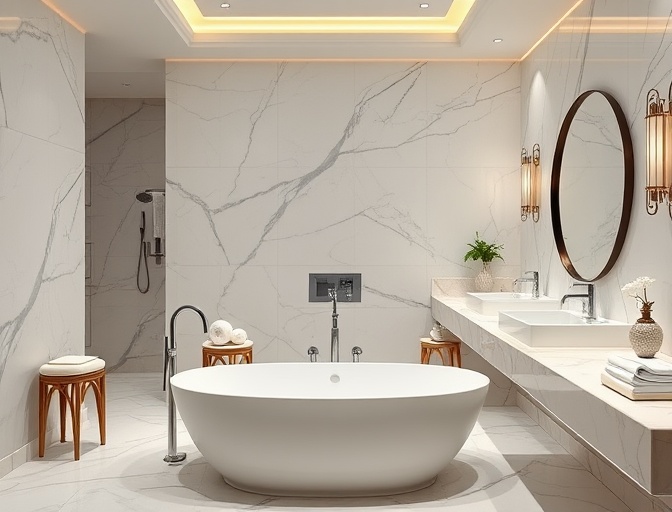
Creating visual interest in minimalist spaces often relies on subtle variations in texture rather than bold patterns or colors. Combining different textures—smooth with rough, matte with glossy, soft with hard—adds depth and dimension to monochromatic or neutral schemes. Consider mixing materials like polished concrete, brushed metals, natural wood, and soft textiles to create a rich sensory experience.
9. Intentional Negative Space
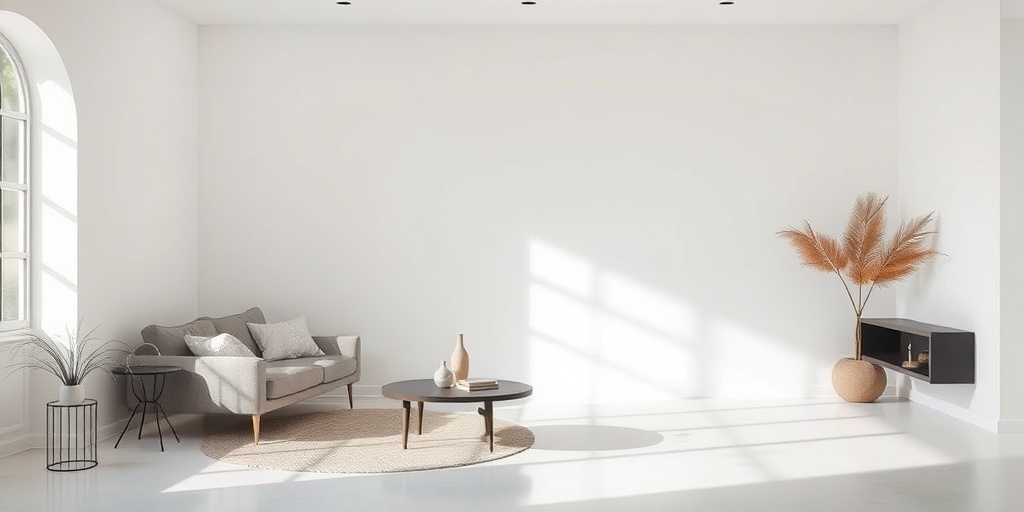
Perhaps the most fundamental aspect of minimalist design is the thoughtful use of negative space. Rather than viewing empty space as something to be filled, contemporary minimalism celebrates it as an essential design element that creates visual breathing room and highlights the items you choose to keep. Be intentional about leaving walls, surfaces, and corners empty to create a sense of calm and spaciousness.
10. Sustainable Materials
The minimalist ethos of quality over quantity naturally aligns with sustainable design practices. Today's minimalist interiors often feature eco-friendly materials like reclaimed wood, recycled metals, natural stone, and organic textiles. By choosing durable, sustainable materials and timeless designs, you create spaces that not only look beautiful now but will continue to do so for years to come, reducing the need for frequent replacements.
Conclusion
Minimalist design continues to evolve, moving beyond stark simplicity to embrace warmth, personality, and functionality. By incorporating these contemporary trends, you can create spaces that feel both serene and inviting—places that support your wellbeing by reducing visual noise while still expressing your personal style. Remember that successful minimalism isn't about deprivation but about making room for what truly matters.

Related Articles
Leave a Comment
Categories
Recent Posts
-
-
Sustainable Design: Creating Eco-Friendly Spaces
April 5, 2025
-
Small Space Solutions: Maximizing Function
April 2, 2025
-
Bathroom Renovation Guide: From Planning to Completion
March 30, 2025
-
Biophilic Design: Bringing Nature Indoors
March 26, 2025